Build an Early Warning System for Partner Health
If you don't know whether your partners are thriving or struggling, you're already behind. Here's how to fix that.
Here's a question that should keep every partnership leader up at night: Do you actually know how your partners are doing?
Not the partners you talk to every week. The ones in the middle of your program—the SIs and resellers who signed up with enthusiasm, did some initial work, and then... went quiet. Are they building momentum? Are they struggling to get traction? Have they mentally moved on to other vendors?
Most partnership teams don't have a good answer. And by the time they find out a partner is in trouble, it's often too late to do anything about it.
The Problem with Reactive Partner Management
In traditional partner programs, we tend to operate in two modes:
- High-touch for top partners – Regular QBRs, executive alignment, dedicated resources
- Hope-based management for everyone else – We assume no news is good news
This creates a dangerous blind spot. Partners rarely tell you they're struggling. They don't schedule a call to say "we're losing confidence in this partnership." They just... drift away. By the time you notice the pipeline has dried up or certifications have lapsed, the relationship is already on life support.
What we need is something that looks a lot more like Customer Success for partners—a proactive system that surfaces warning signs early, so you can intervene before it's too late.
What Does Partner Health Actually Mean?
Before you can measure partner health, you need to define it. A healthy partner isn't just one that's generating revenue today. It's one that's approaching escape velocity—building the capabilities, pipeline, and momentum to become self-sustaining.
Think about partner health across three dimensions:
| Dimension | What It Measures |
|---|---|
| Engagement | Are they actively participating in the partnership? |
| Capability | Are they building the skills to succeed? |
| Performance | Are they generating results? |
A partner who's performing today but not investing in capability is a short-term win. A partner who's engaged and building skills but not yet performing might be your next big success story—if you support them through the growth phase. A partner who's disengaged across all three? That's your early warning.
An Early Warning System for SI Partner Health
For Systems Integrators specifically, here's a framework you can use to build a health scorecard. These are signals you can track—most of them without even asking the partner directly.
1. Engagement Signals
These tell you whether the partner is showing up and leaning in:
- Portal logins and resource downloads – Are they accessing your partner portal? Downloading sales materials, technical docs, or training content? A partner who never logs in is a partner who's not thinking about you.
- Event attendance – Are they showing up to partner webinars, conferences, or enablement sessions? Declining attendance is often an early indicator of waning interest.
- Communication responsiveness – How quickly do they respond to your outreach? Are they proactive in scheduling check-ins, or do you have to chase them?
- Executive engagement – Is their leadership still engaged, or has the partnership been delegated down to someone with no authority or budget?
2. Capability Signals
These tell you whether the partner is investing in their ability to succeed:
- Certifications and training completion – Are their people getting certified? Are they completing enablement programs? A partner who stops investing in training is a partner who's deprioritizing you.
- Technical resource allocation – Do they have dedicated architects or developers working on your platform? Or is it a side project for someone with five other priorities?
- Practice development – Are they building a formal practice around your technology? Do they have a named practice lead? Are they hiring for roles specific to your partnership?
- Demo environment activity – Are they actively building in sandbox or demo environments? Hands-on experimentation is a strong leading indicator of commitment.
3. Performance Signals
These tell you whether the partnership is generating results:
- Pipeline registration and velocity – Are they registering new opportunities? Is the pipeline growing, flat, or shrinking? How quickly are deals moving through stages?
- Win rate trends – Are they winning the deals they register? A declining win rate might signal capability gaps or competitive pressure.
- Project delivery quality – For completed implementations, what does customer feedback look like? Are there issues with delivery that could damage your reputation?
- Revenue trajectory – Is their revenue with you growing quarter over quarter? A flat or declining trajectory—even if absolute numbers are okay—is a warning sign.
- Customer expansion – Are their implementations leading to customer growth and expansion, or do projects end at initial deployment?
Putting It Into a Health Score
Once you've identified your signals, you need a way to synthesize them. Here's a simple approach:
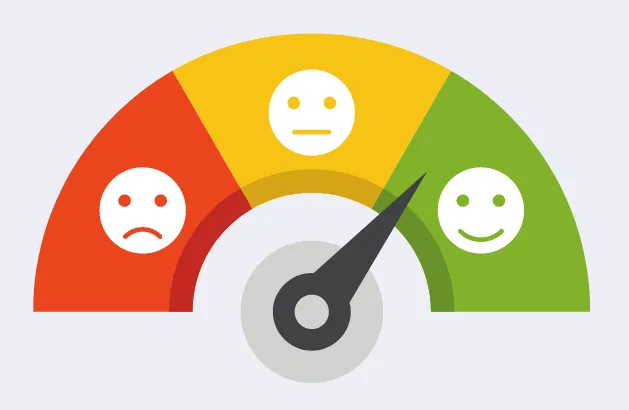
Green (Healthy): Strong engagement, actively building capability, pipeline growing, winning deals. These partners need recognition and opportunities to go deeper.
Yellow (Watch): Mixed signals—maybe engagement is dropping but performance is still okay, or they're engaged but not yet delivering results. These partners need proactive outreach to understand what's happening.
Red (At Risk): Disengaged, not investing in capability, pipeline stalled or shrinking. These partners need immediate intervention—or a honest conversation about whether the partnership makes sense.
The key is to catch Yellow before it becomes Red. That's the whole point of an early warning system.
What To Do With the Data
Collecting signals is only valuable if you act on them. Here's how to operationalize partner health:
- Build it into your regular rhythm – Review partner health scores monthly or quarterly. Don't let it become a report that nobody reads.
- Create intervention playbooks – When a partner turns Yellow, what's your response? Have a defined set of actions: outreach call, executive sponsor engagement, targeted enablement, co-funding offers.
- Segment your response – Not every struggling partner deserves the same investment. Be honest about which partners are worth saving and which might need to be gracefully off-boarded.
- Close the loop – When you intervene, track whether it worked. This helps you refine your playbooks over time.
The Partner Success Mindset
Ultimately, building an early warning system is about adopting a Partner Success mindset. Just like Customer Success teams proactively monitor and support customers, partnership teams need to do the same for their partners.
Your partners are trying to build businesses around your technology. Some will thrive. Some will struggle. The ones in the middle—the ones who could go either way—are where your attention matters most.
The question isn't whether you can afford to invest in partner health monitoring. It's whether you can afford not to.
“An ounce of prevention is worth a pound of cure." - Benjamin Franklin
If you enjoyed this piece, please share it. Thanks. 🙏